
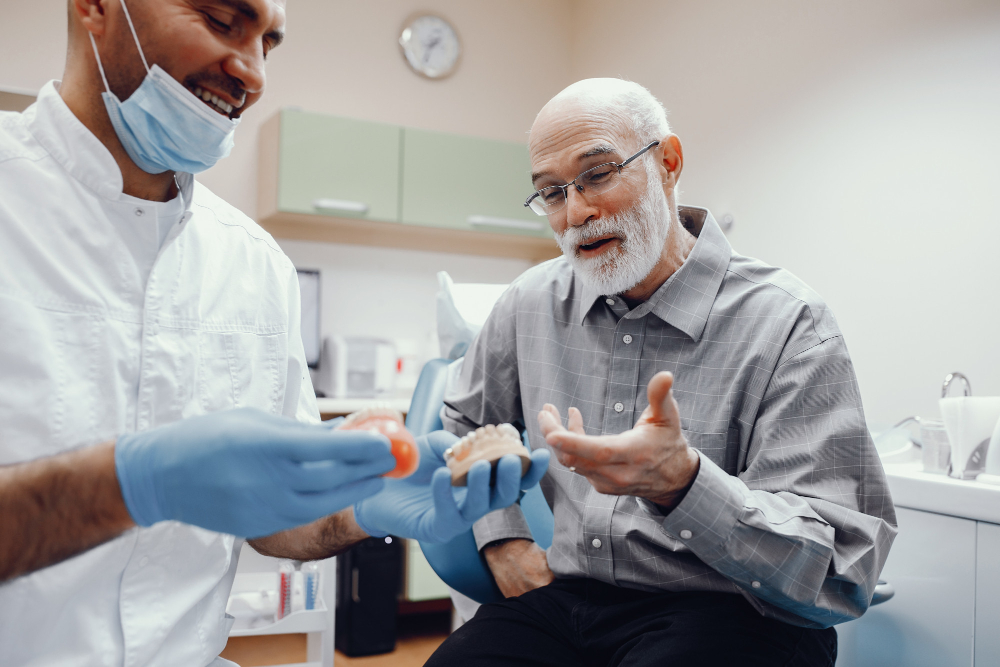
What is FPD?
Fixed Partial Dentures (FPD) are dental devices used to replace missing teeth. Dentists often call them “bridges.” Unlike removable dentures, FPDs stay in your mouth. They are attached to nearby healthy teeth. As a result, you can eat and speak more easily. FPD dental treatment helps restore your smile and chewing ability. According to the American Dental Association, FPDs are a common solution for missing teeth.
Common Symptoms and Dental Issues Leading to FPD
Many people need FPDs because of missing teeth. Missing teeth can cause several problems, such as:
Sometimes, you may also notice pain or discomfort. If you have any of these issues, you might need an FPD procedure for missing teeth. Early treatment can prevent further dental problems.
Causes and Risk Factors for Needing FPD
Several reasons can lead to tooth loss and the need for FPD. Common causes include:
In addition, poor oral hygiene increases your risk. Smoking and certain health conditions, like diabetes, can also raise your chances. Therefore, taking care of your teeth is important to avoid needing FPD dental treatment.
Diagnosis: How Dentists Determine if FPD is Needed
First, your dentist will examine your mouth. They may take X-rays to check your teeth and jaw. Next, your dentist will ask about your dental history. If you have one or more missing teeth, they will discuss your options. Sometimes, other treatments may be better. However, if nearby teeth are healthy, FPD may be the best choice. The dentist will explain the FPD procedure for missing teeth and answer your questions.
Treatment Process: Steps Involved in Getting FPD
Getting an FPD usually involves several steps:
The whole FPD dental treatment may take a few visits. Your dentist will guide you through each step.
Benefits and Potential Risks of FPD
FPDs offer many benefits. For example, they:
However, there are some risks. These may include:
Most people do well with FPDs. Still, regular dental check-ups help catch problems early. The CDC and dental journals recommend seeing your dentist often for best results.
Care and Maintenance Tips for FPD
Proper care keeps your FPD in good shape. Here are some tips:
With good care, your FPD can last many years. In fact, the World Health Organization notes that oral hygiene is key to long-lasting dental work.
Prevention: How to Reduce the Need for FPD
While FPD dental treatment is helpful, prevention is always better. To reduce your risk of needing FPD:
Early care for dental problems can save your natural teeth. As a result, you may never need an FPD procedure for missing teeth.
Conclusion
Fixed Partial Dentures (FPD) are a safe and effective way to replace missing teeth. They help restore your smile and improve your quality of life. However, proper care and regular dental visits are important. Consult Dr. Priyanka Reddy at My Smile Dental for personalized advice on Fixed Partial Dentures (FPD).